Instituto Cardiotecnológico Andaluz
Clinical Services
Clinical Cardiology
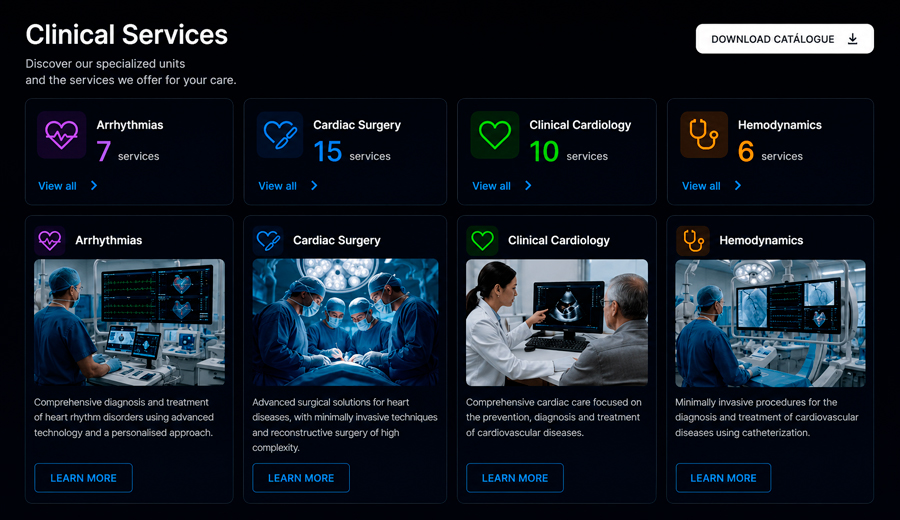
Arrhythmias
- Diagnostic Electrophysiological Studies
- Catheter Ablation
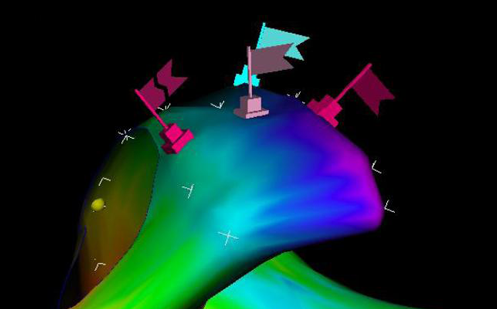
- Navigated Catheter Ablation
- Electrical Cardioversion
- Pacemaker Implantation
- Defibrillator Implantation
- Cardiac Resynchronization Device Implantation
Clinical Cardiology
- One-stop-shop outpatient cardiology consultation
- Cardiovascular hospitalization, with daily visit from cardiologist
- Echocardiography
- Transthoracic echocardiogram, adult and pediatric.
- Stress echocardiogram, pharmacological and exercise.
- Transesophageal echocardiogram, with sedation.
- Intraoperative echocardiogram.
- Contrast echocardiogram.
- Ergometry
- Nuclear medicine: GATED-SPECT myocardial perfusion study
- 24-hour Holter-ECG
- Ambulatory blood pressure monitoring (ABPM)
- Tilt table test
- 64-slice coronary CT
- Cardiovascular magnetic resonance imaging
Cardiac Catheterization Laboratory
- Diagnostic catheterization
- Coronary angioplasty
- Coronary stent implantation
- Mitral, aortic, pulmonary, and tricuspid valvuloplasty
- Percutaneous aortic prosthesis implantation
- Percutaneous closure of atrial septal defects and paravalvular leaks
Details of Procedures
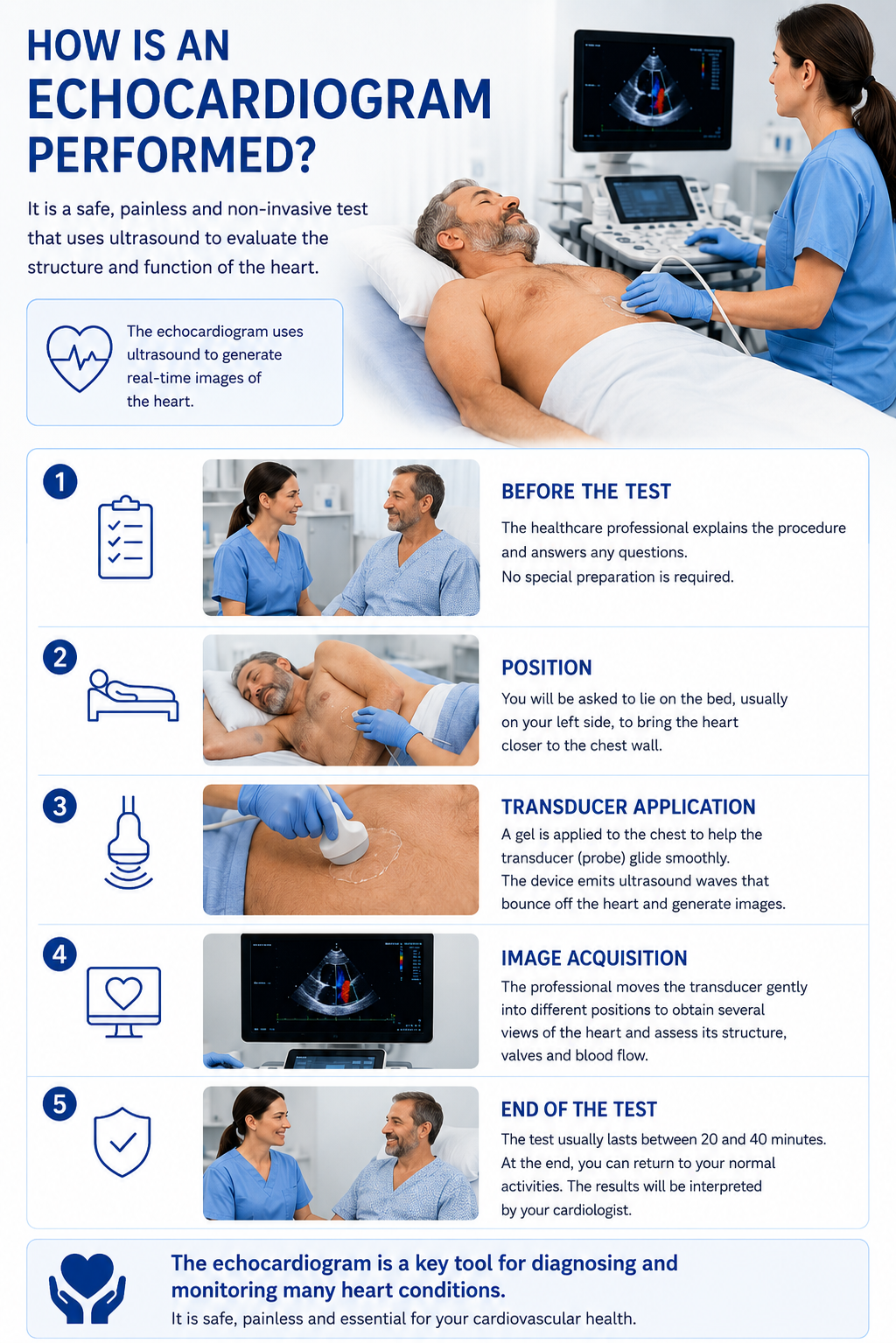
EN_Cómo se realiza un ecocardiograma – Instituto Cardiotecnologico Andaluz, cardiología Málaga
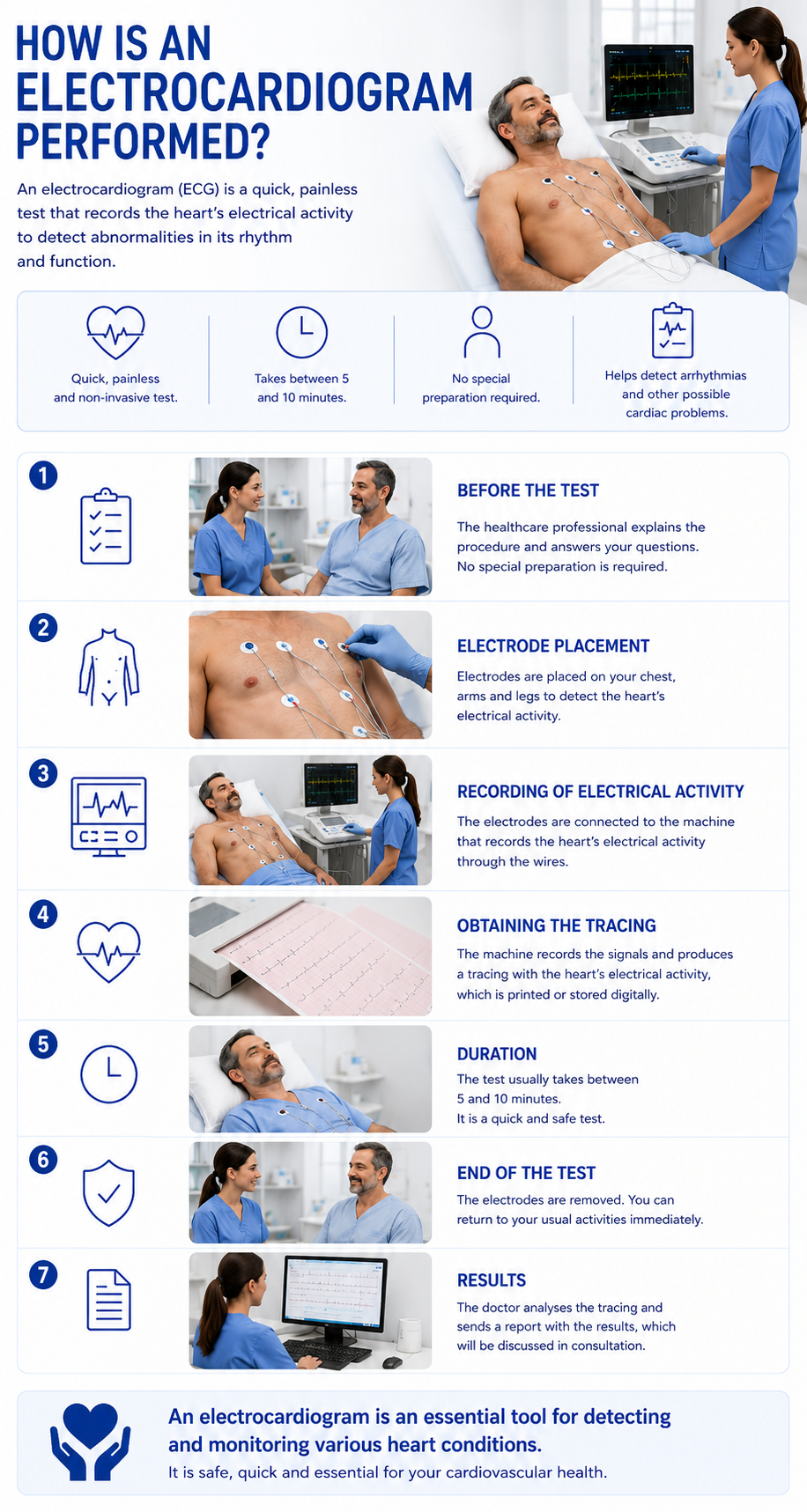
EN_Cómo se realiza un electrocardiograma – Instituto Cardiotecnologico Andaluz, cardiología Málaga
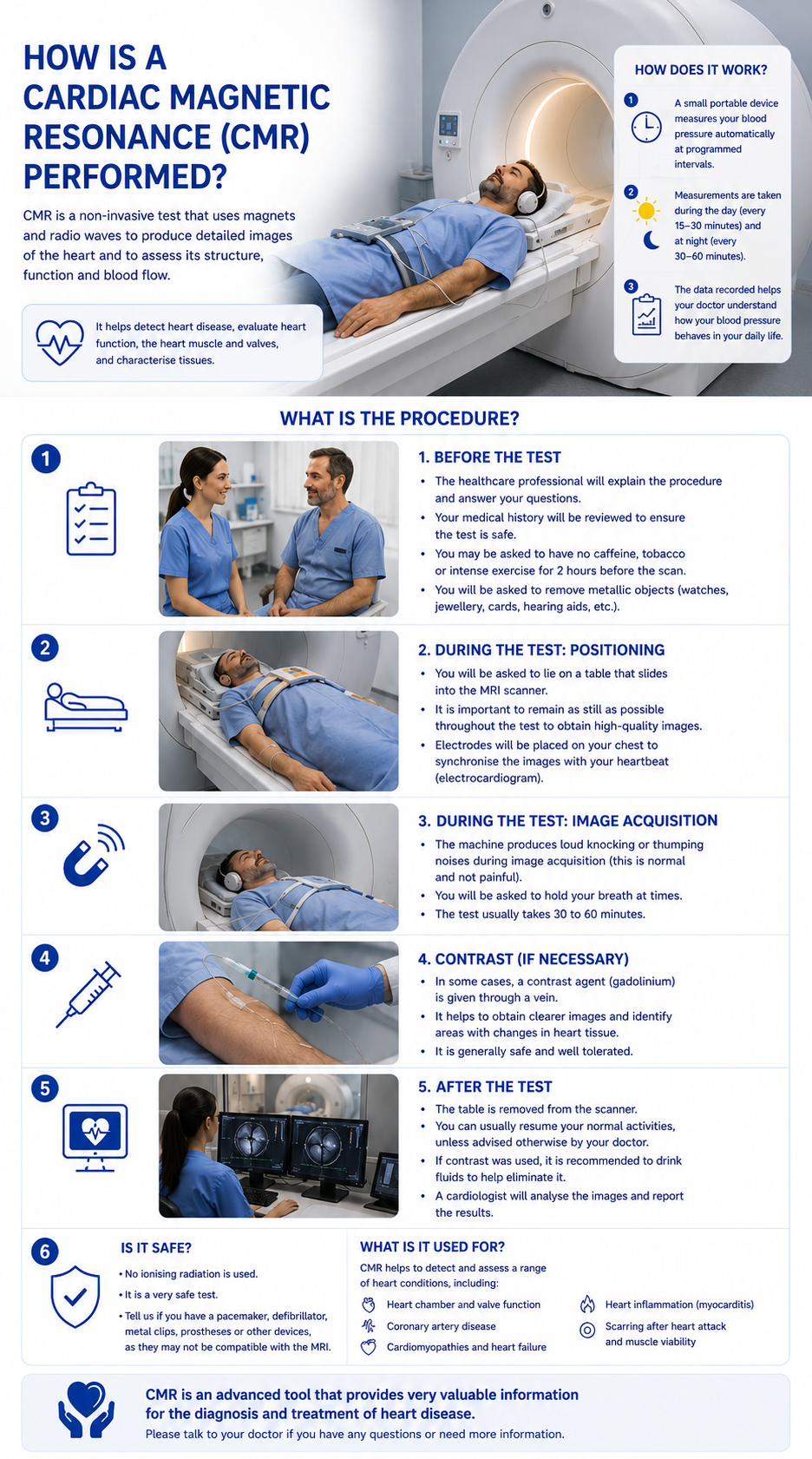
EN_Cómo se realiza una resonancia magnética cardiaca – Instituto Cardiotecnologico Andaluz, cardiología Málaga
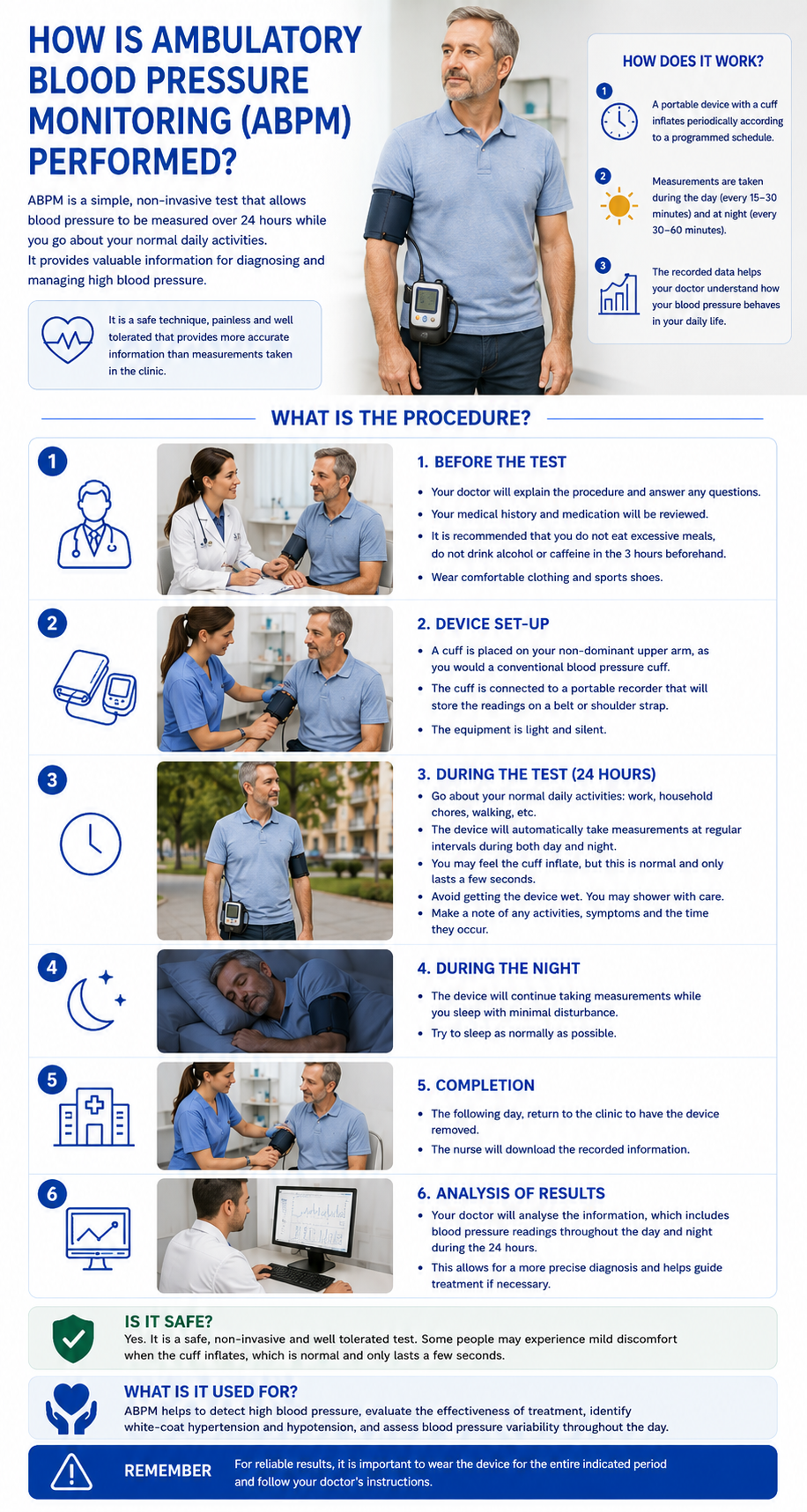
EN_Cómo se realiza una monitorización ambulatoria de la presión arterial (MAPA) – Instituto Cardiotecnologico Andaluz, cardiología Málaga
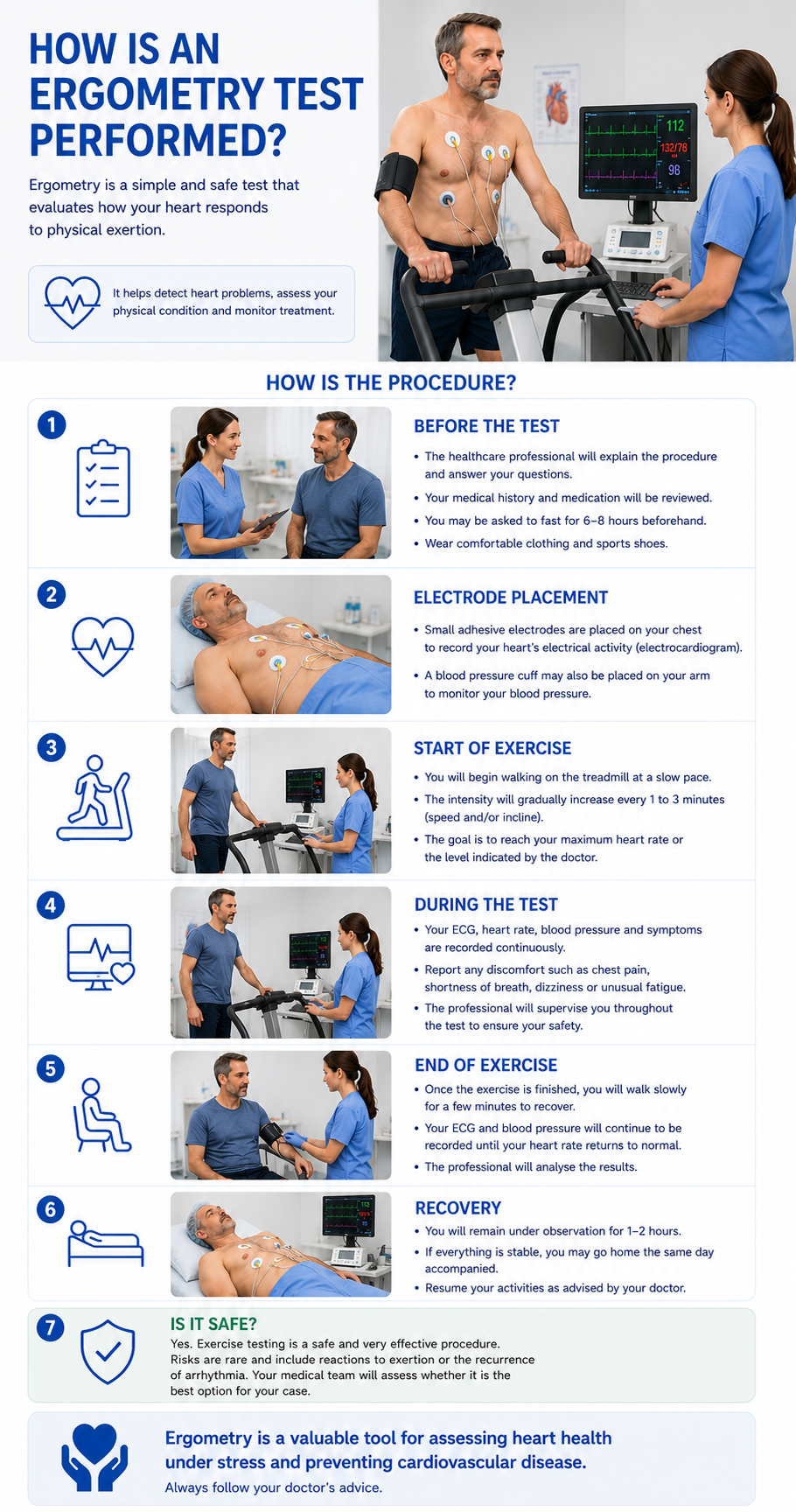
EN_Cómo se realiza una ergometría – Instituto Cardiotecnologico Andaluz, cardiología Málaga
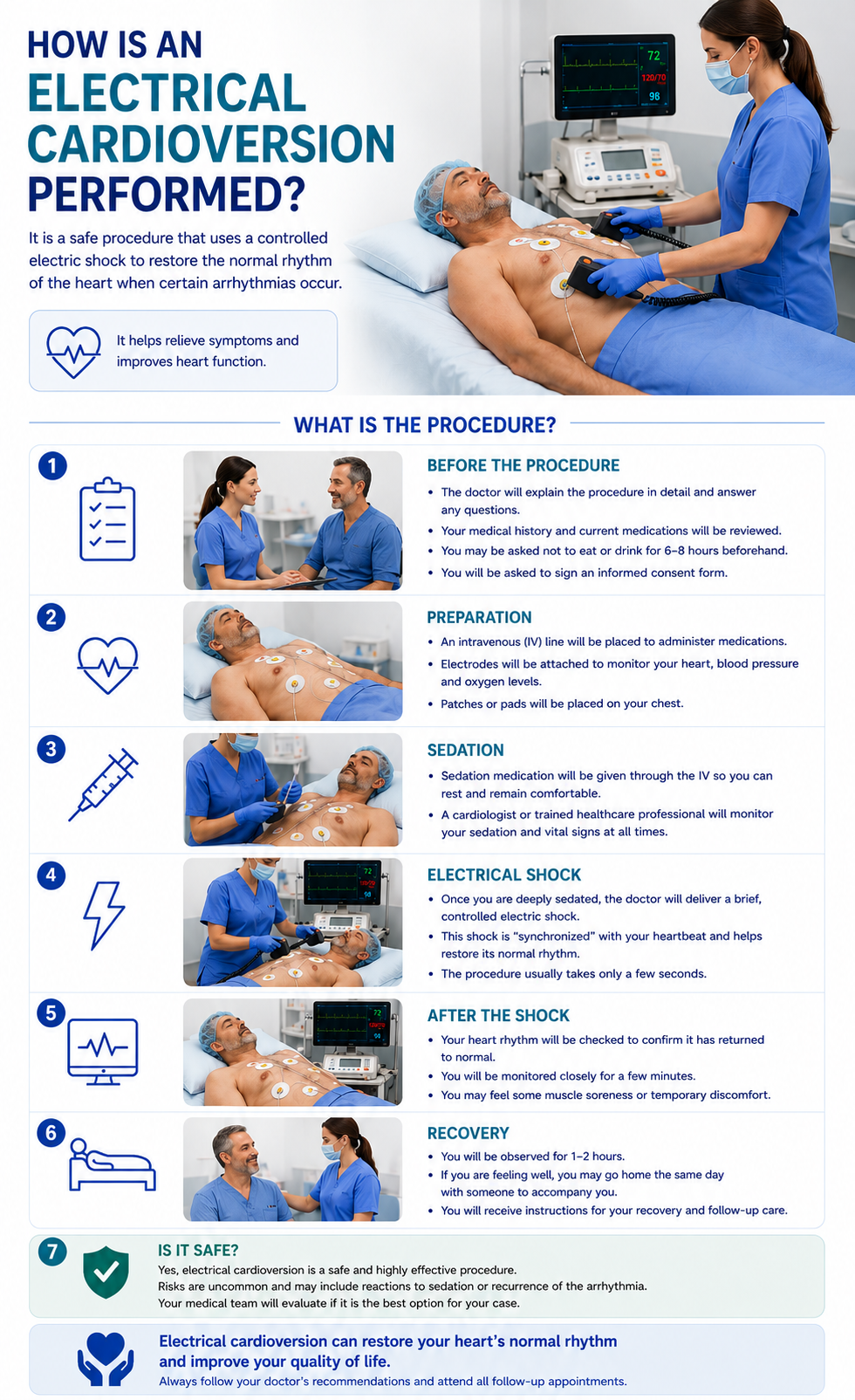
EN_Cómo se realiza una cardioversión eléctrica – Instituto Cardiotecnologico Andaluz, cardiología Málaga_
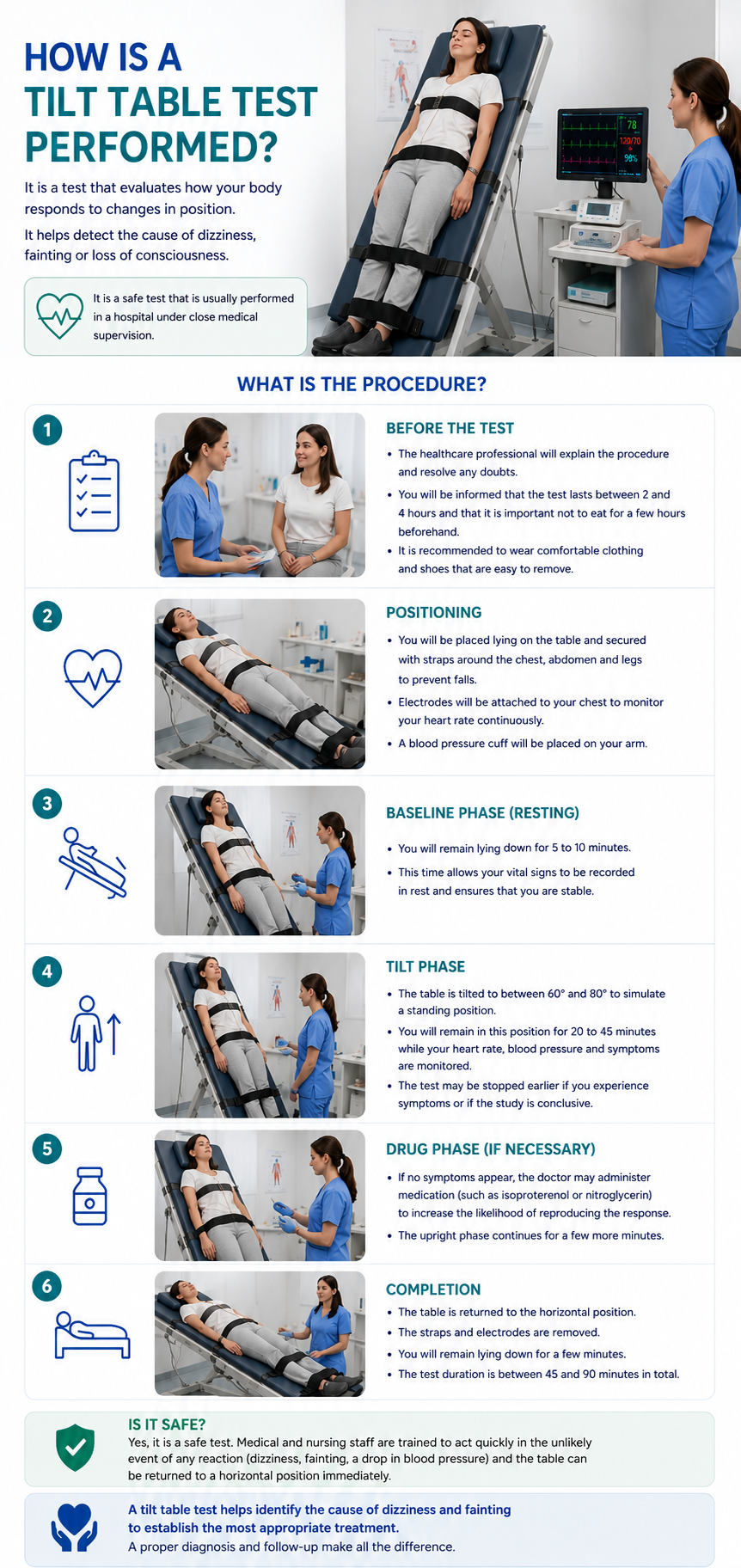
EN_Cómo se realiza un test de mesa basculante – Instituto Cardiotecnologico Andaluz, cardiología Málaga_
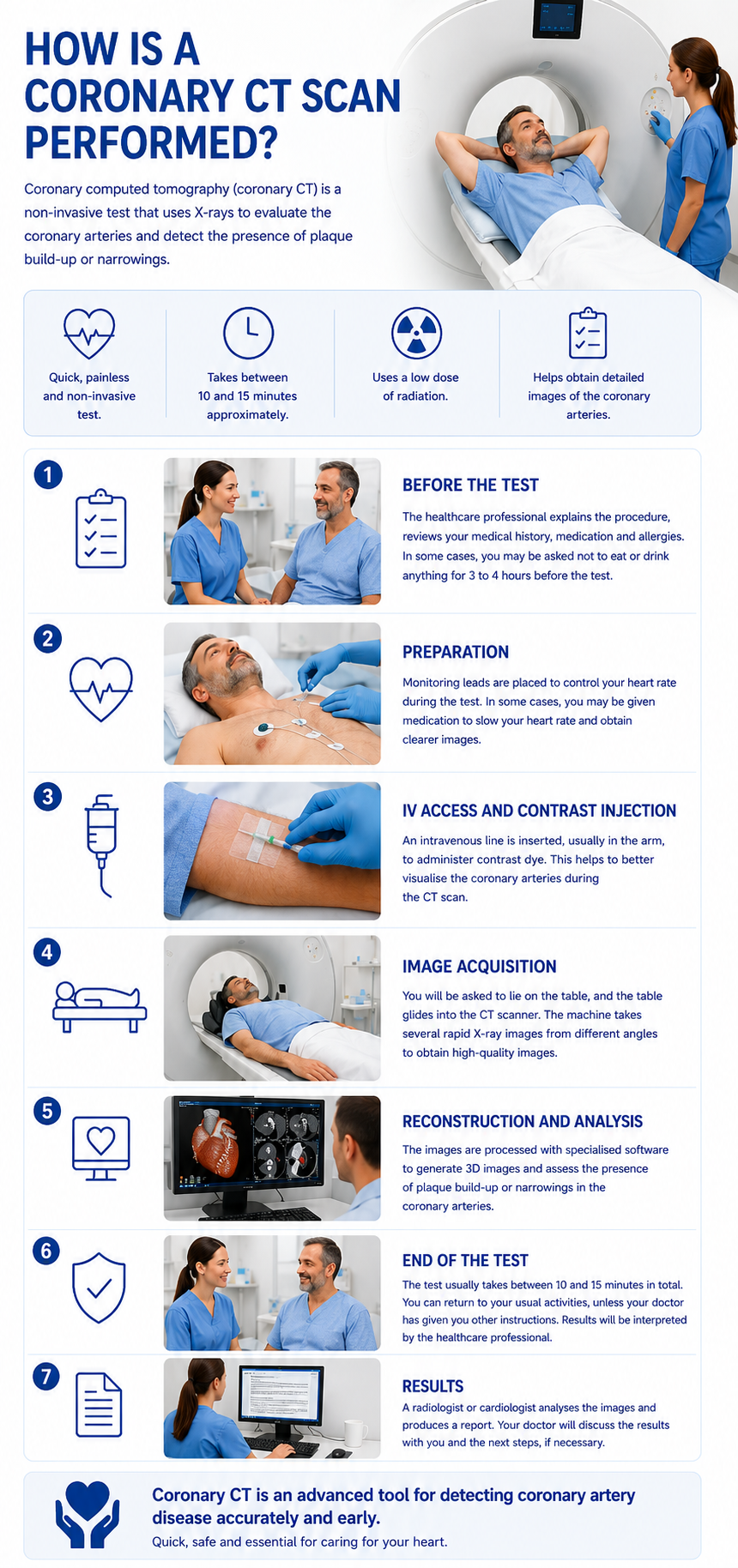
EN_Cómo se realiza un TC coronario – Instituto Cardiotecnologico Andaluz, cardiología Málaga
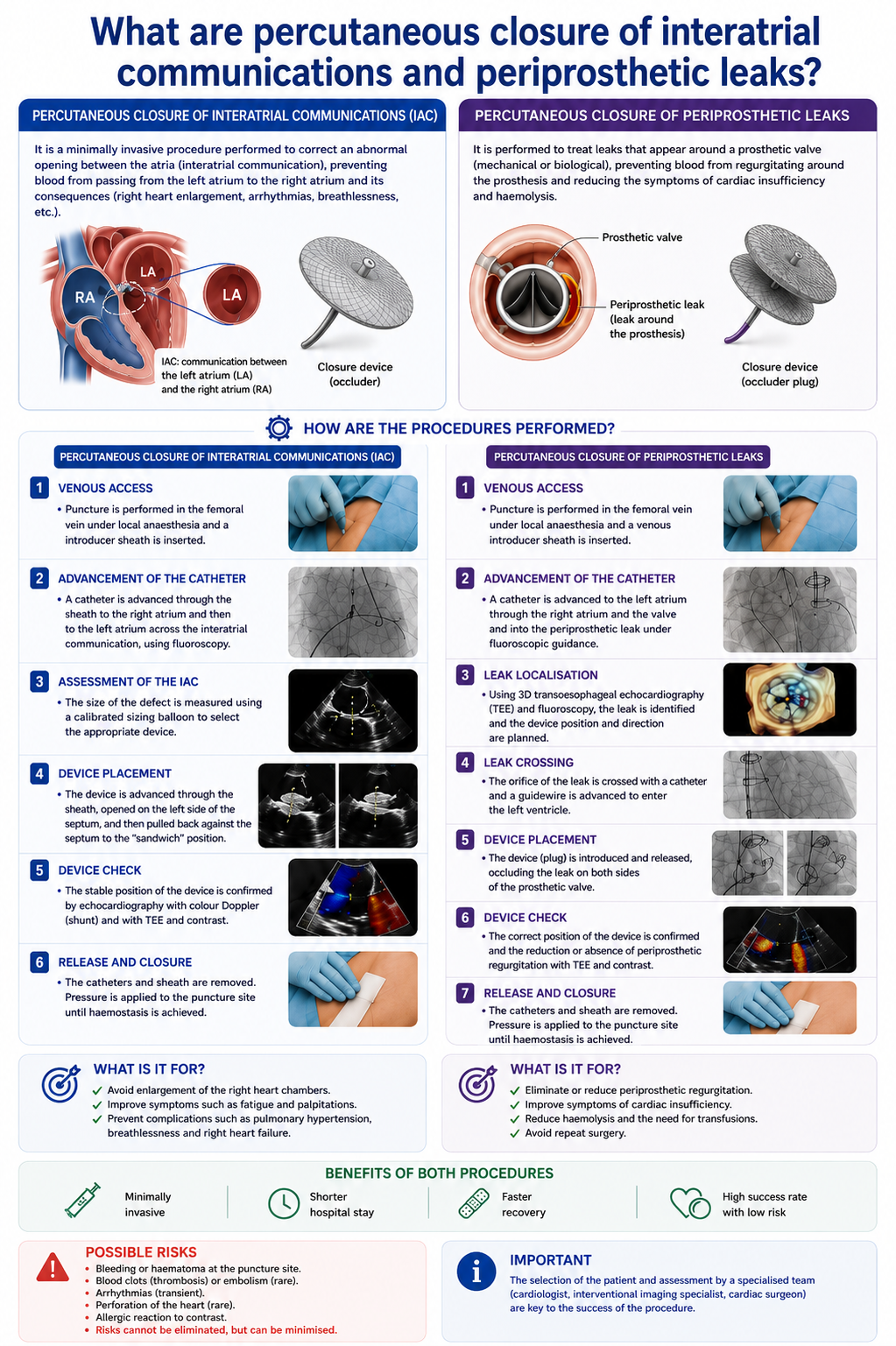
EN_Cierre percutáneo de comunicaciones interauriculares y leaks periprotésicos – Instituto Cardiotecnologico Andaluz, cardiología Málaga
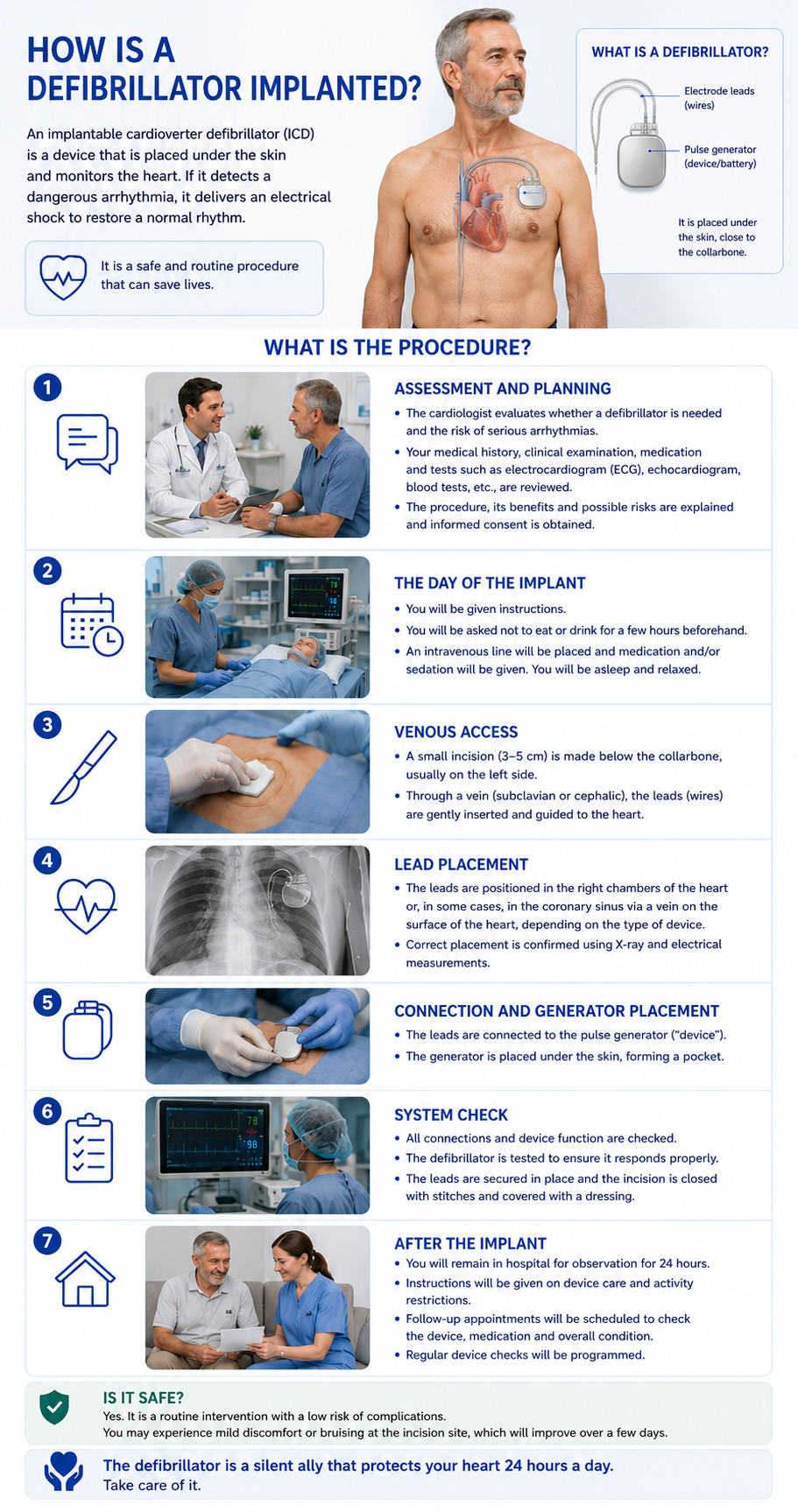
EN_Cómo se implanta un desfribrilador – Instituto Cardiotecnologico Andaluz, cardiología Málaga
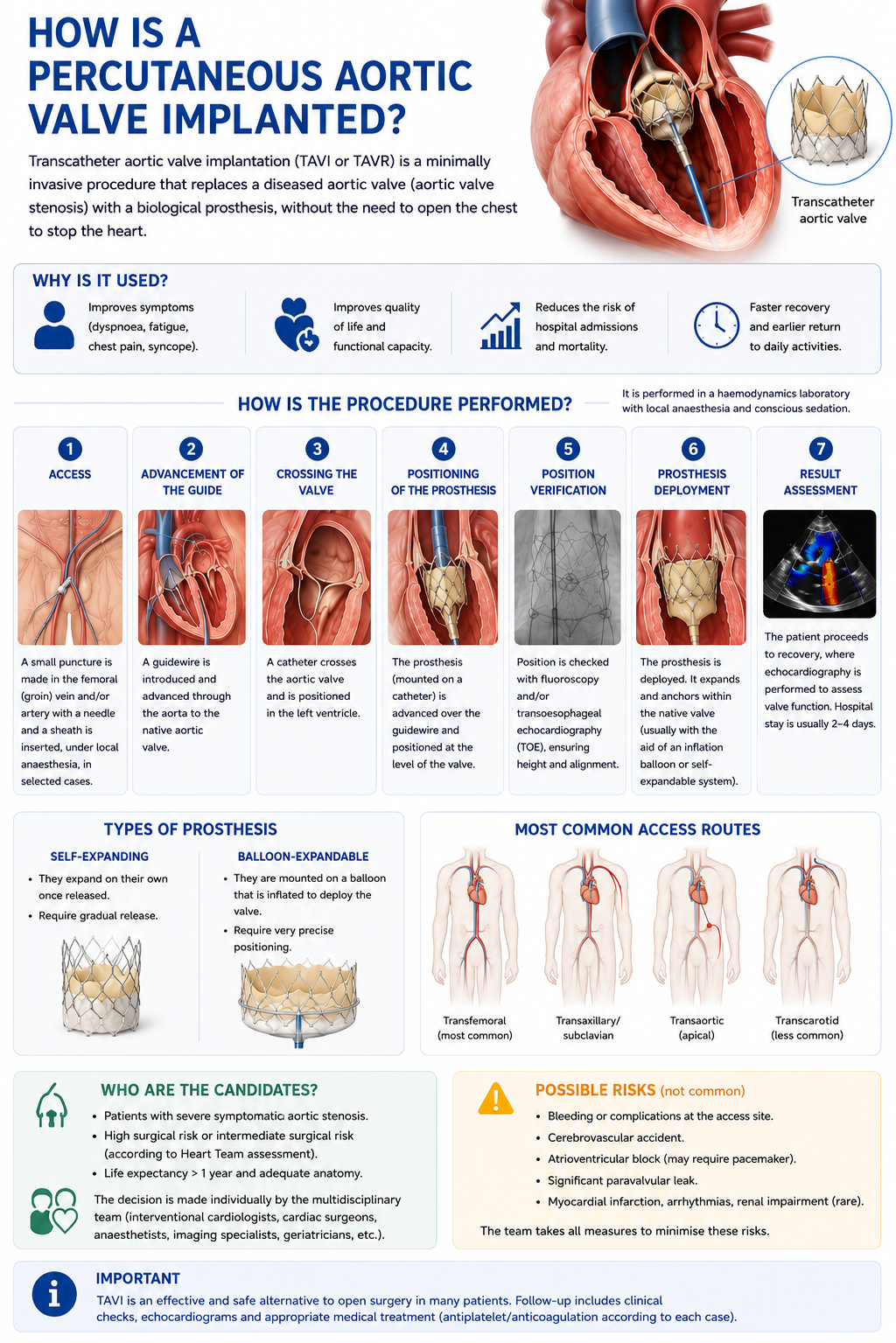
EN_Cómo se implanta una prótesis aórtica percutánea – Instituto Cardiotecnologico Andaluz, cardiología Málaga
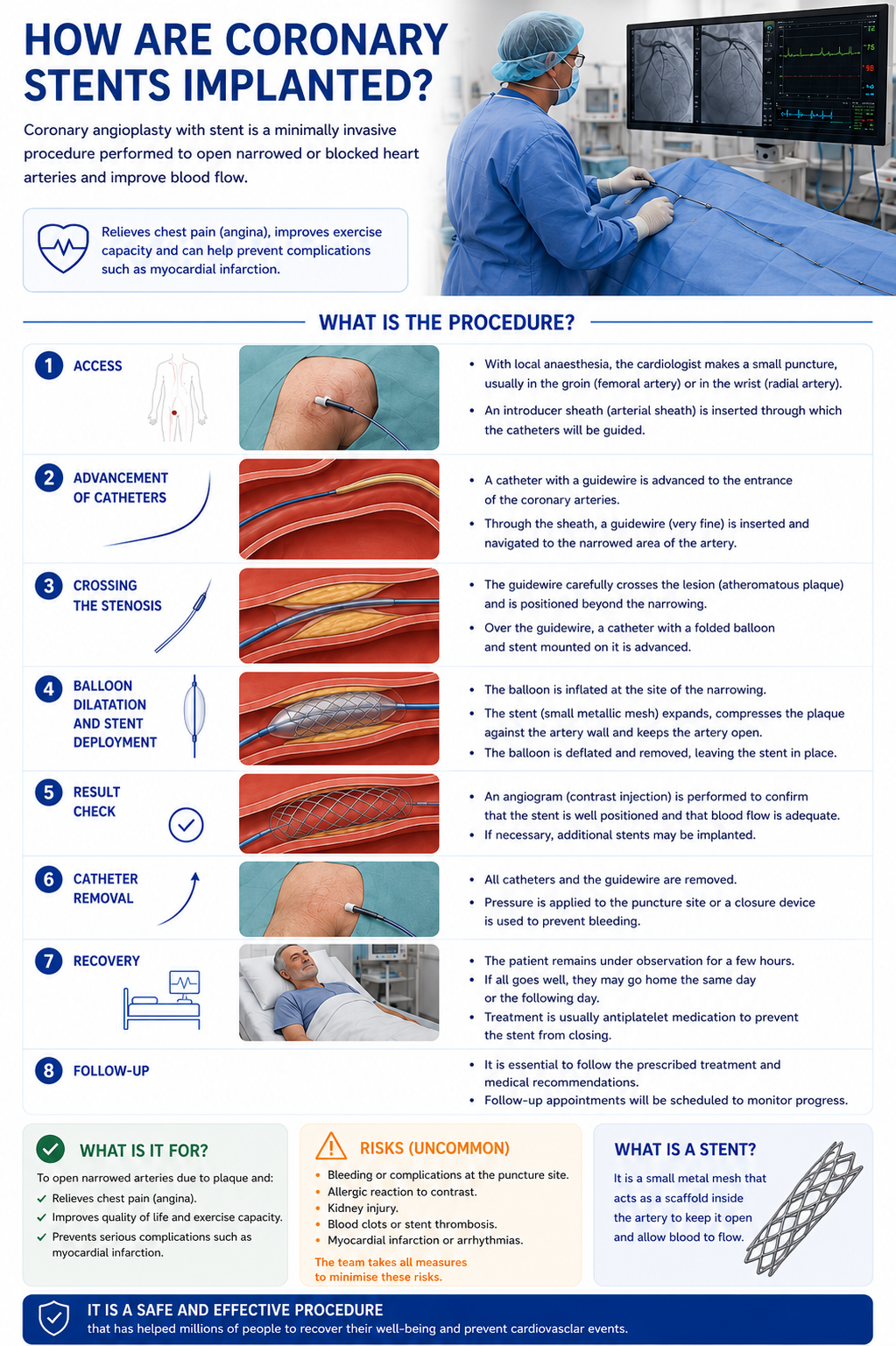
EN_Cómo se implantan los stents coronarios – Instituto Cardiotecnologico Andaluz, cardiología Málaga
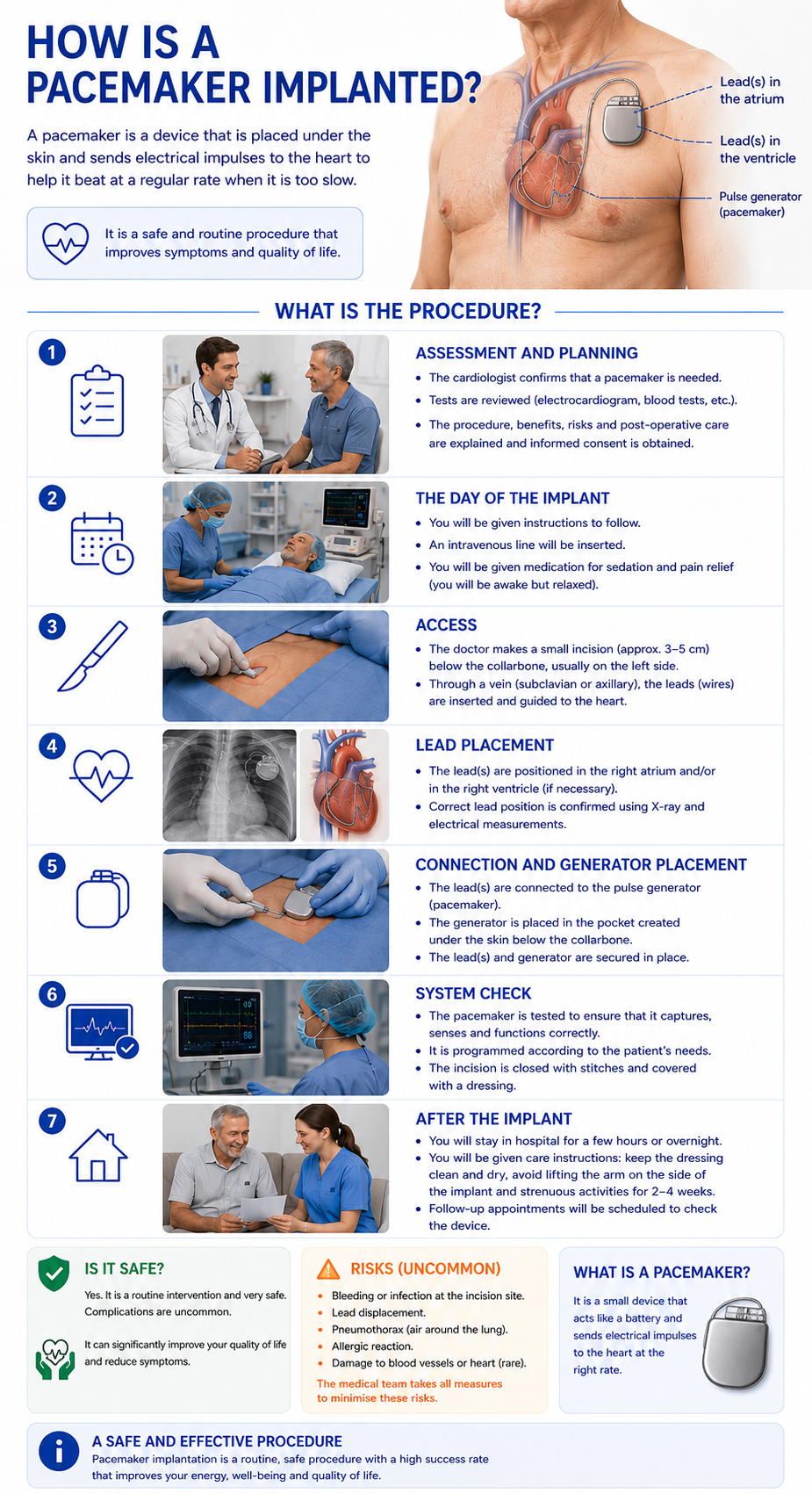
EN_Cómo se realiza implanta un marcapasos – Instituto Cardiotecnologico Andaluz, cardiología Málaga
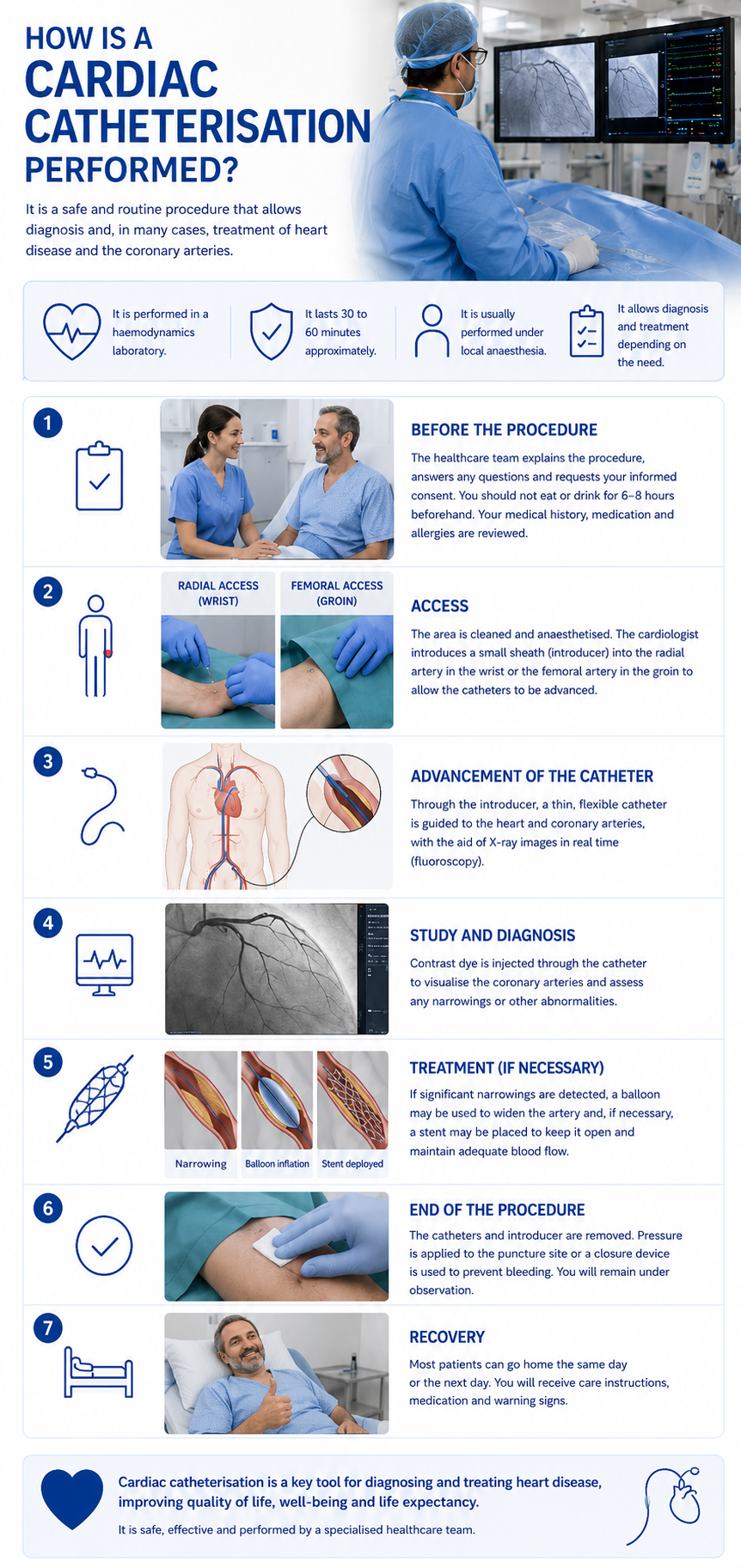
EN_Cómo se realiza un cateterismo cardiaco – Instituto Cardiotecnologico Andaluz, cardiología Málaga
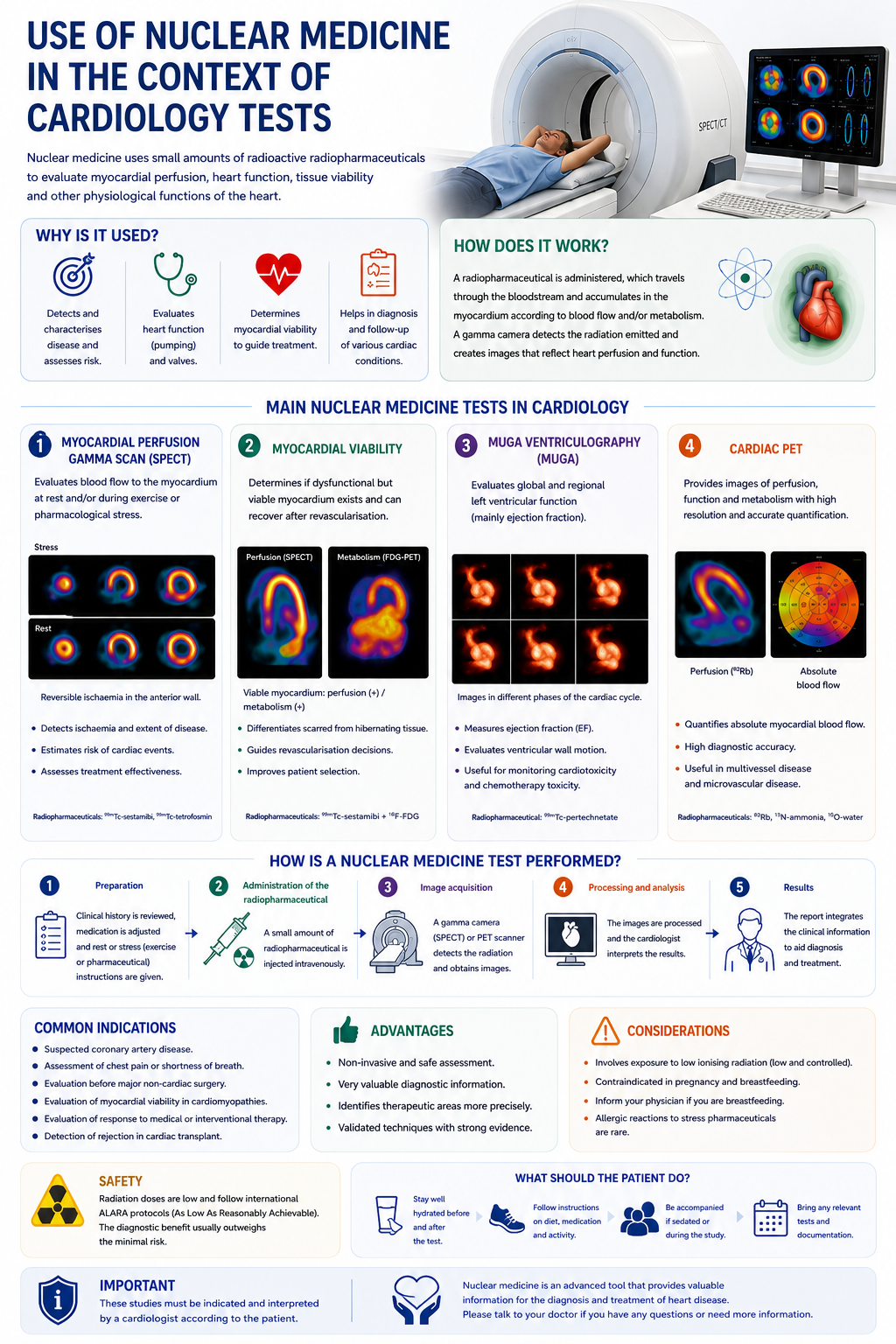
EN_Uso de medicina nuclear en el contexto de pruebas de cardiología – Instituto Cardiotecnologico Andaluz, cardiología Málaga
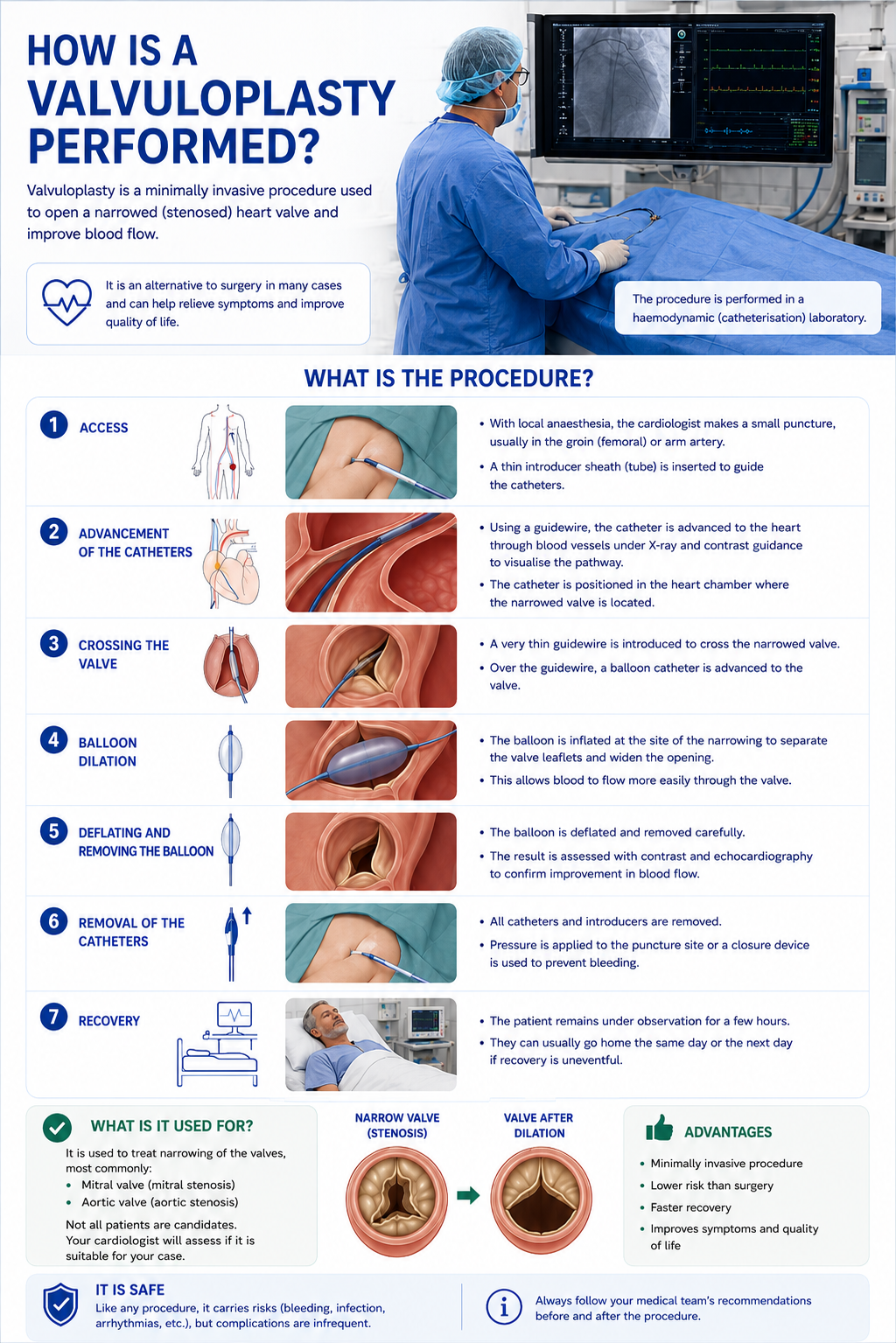
EN_Cómo se realiza una valvuloplastia – Instituto Cardiotecnologico Andaluz, cardiología Málaga
Diagnostic and Therapeutic Procedures
The most frequent therapeutic procedures include angioplasty of coronary arteries and coronary artery bypass grafts, valvuloplasty, closure of atrial septal defect (ASD), closure of patent foramen ovale (PFO), closure of ventricular septal defect, angioplasty with or without stent for aortic coarctation, and the closure of periprosthetic leaks. Of particular note is the percutaneous implantation of aortic prosthesis in high-surgical-risk patients at our center – the first fully private hospital in Spain to offer and perform this procedure.
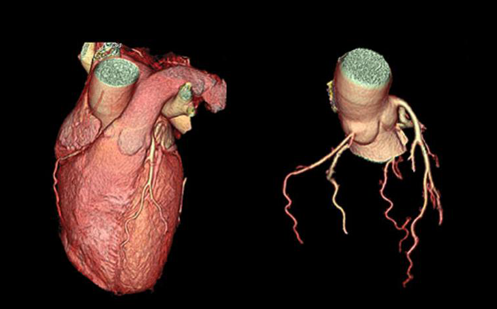
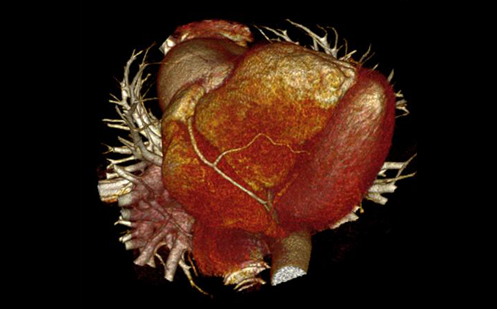
Coronary CT
Multidetector Computed Axial Tomography applied to the study of coronary arteries allows for non-invasive detection of obstructions. It is of great use in the follow-up of patients who have undergone heart surgery.
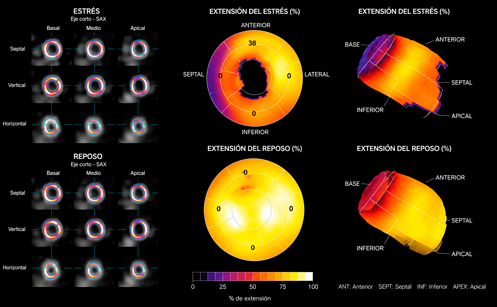
Nuclear Medicine
The use of radio-labeled drugs enables the identification, through physical stress or medication, of abnormalities in the flow of blood reaching the heart muscle, with minimal radiation exposure.
Cardiac Magnetic Resonance Imaging (CMR)
CMR is a radiation-free examination that evaluates the heart’s anatomy and function and is particularly useful for detecting diseases associated with sudden cardiac death in athletes.
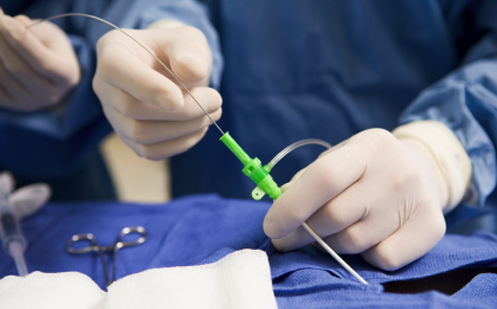
Cardiac Catheterization
Cardiac catheterization involves exploring the heart using catheters inserted via the femoral or radial artery for diagnostic or therapeutic purposes. It facilitates the detection of coronary obstructions, measurement of cardiac pressures, and performance of valvular or arterial interventions.
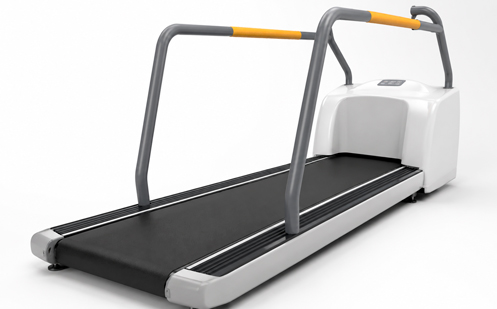
Ergometry
Ergometry or stress test allows for a simple assessment of the dynamic behavior of the heart and blood pressure, by performing physical exercise during electrocardiographic and blood pressure monitoring.
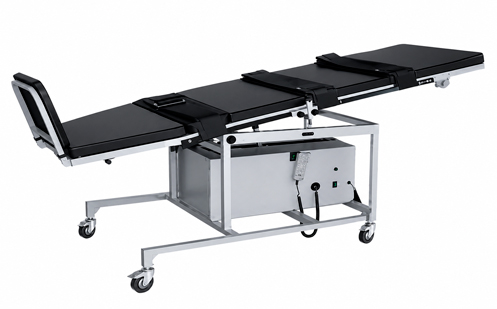
Tilt Table Test
This test, performed without medication or venous cannulation, can precisely and safely identify the mechanism of syncope. It does not require hospitalization, lasts less than an hour, and has results that are available during the same medical visit.
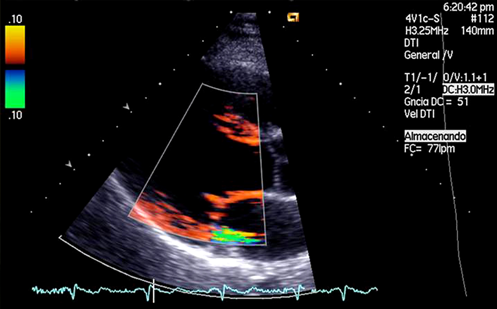
Echocardiogram
An echocardiogram is an ultrasound imaging study that, in common with other ultrasound techniques, is harmless and allows visualization of the different heart structures. It is a basic fundamental technique in the study of heart function and the normal functioning of heart valves.
Ergometry
Electrical cardioversion is used to restore the heart’s normal rhythm when a prolonged arrhythmia, usually atrial fibrillation, exists. After sedating the patient, an electric shock is administered to the chest wall, which restores the normal rhythm.
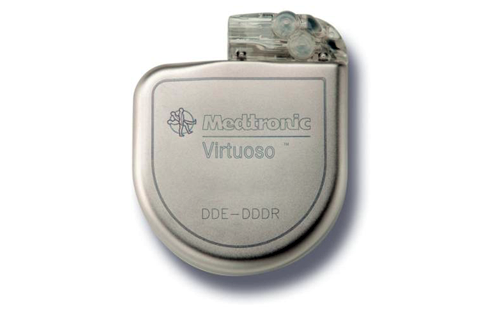
Defibrillator Implantation
The implantation technique is similar to that of a pacemaker but, in addition to having pacemaker function, a defibrillator can treat life-threatening rapid ventricular arrhythmias, such as ventricular tachycardia or ventricular fibrillation.
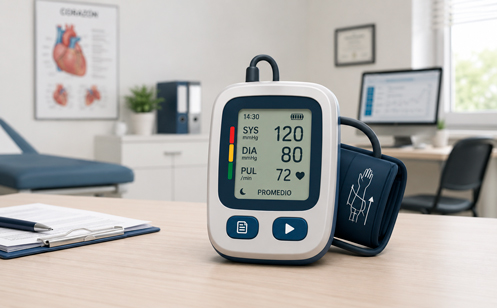
Ambulatory Blood Pressure Monitoring (ABPM)
Blood pressure monitoring using a portable device allows for the detection of blood pressure alterations over a 24-hour period. No hospitalization is required.
Valvuloplasty
Electrical cardioversion is used to restore the heart’s normal rhythm when there is a prolonged arrhythmia, usually atrial fibrillation. After sedating the patient, an electric shock is administered to the chest wall, restoring normal rhythm.
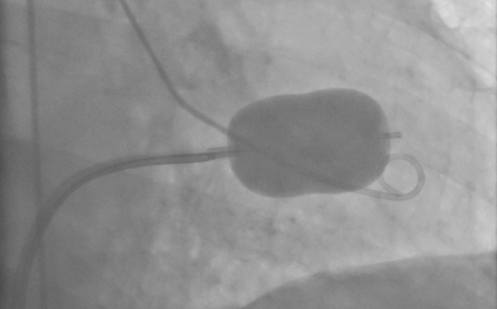
Coronary Stent Implantation
This consists of placing a small expandable mesh in narrow or obstructed areas of coronary arteries, in order to re-establish blood flow to the heart muscle.
Vithas Xanit
Avenida de los Argonautas, s/n, 29630, Benalmádena (Málaga)
(+34) 952 367 19